IEEE RO-MAN 2026 Special Session Proposal

Social Human-Robot Interaction of Human-care Service Robots

Exploring how social robots can interact with humans socially and facilitate the integration of service robots into everyday life

Status: Proposal submitted, awaiting acceptance notice
August 24-28, 2026 Kitakyushu, Fukuoka, Japan Supported by KROS

Aims & Scope

Service robots with social intelligence are starting to be integrated into our everyday lives. The robots are intended to help improve aspects of quality of life as well as improve efficiency.

We are organizing an exciting special session at RO-MAN 2026 oriented towards sharing ideas amongst participants with diverse backgrounds ranging from Human-Robot Interaction design, social intelligence, decision making, social psychology, and robotic social skills.

Technical Implementation

Social robots and robotic products development, system architecture, and practical deployment

Form, Function & Behavior

Robot design, interaction modalities, and behavioral patterns for effective social engagement

Human Behavior & Expectations

Understanding social aspects of human-robot interaction and user acceptance

Topics of Interest

Papers are solicited on all areas directly related to these topics, including but not limited to:

Social perception and context awareness
Short/long-term behavior recognition
Social expression and interactive behavior
Social task modelling and management
Social grasping and navigation skills
Social humanoid robot design
Robotic product design
Human-robot interaction design
Emotion recognition and model design
Dialogue based interaction
User evaluation
Applications: healthcare, receptionist, education

Tentative Papers to be Submitted

The following researchers have expressed their intention to submit papers to this special session:

Waki Kamino

Cornell University, USA
"Robots in Public Service Contexts – a Case Study from Japan"

Jaeyoon Jang & Hosub Yoon

ETRI, Republic of Korea
"Dynamic Keyframe Sampling for Efficient Vision-Language Anomaly Detection in Real-Time Robotic Surveillance"

Chanil Park

KIRO, Republic of Korea
"Vision Language Model-based Human Behavior Analysis in Public Space"

Chaeyoon Kim, Changhee Seo, Doik Kim & Sonya S. Kwak

KIST, Republic of Korea
"From Literal to Intentional: Robot Intention Understanding Strategies"

Edmond Liu

University of Auckland, New Zealand
"Maori Sign Language Understanding"

Xin Sheng

University of Tsukuba, Japan
"Effects of AI Assistant Embodiment and Hallucination Type on Users' Trust"

Organizing Committee

MG

Dr. Min-Gyu Kim

Chair KIRO, South Korea

Head of the Human-Robot Interaction Research Center at KIRO. Research focuses on user-centered engineering, system and user modeling in HRI, and human factors in social robotics.
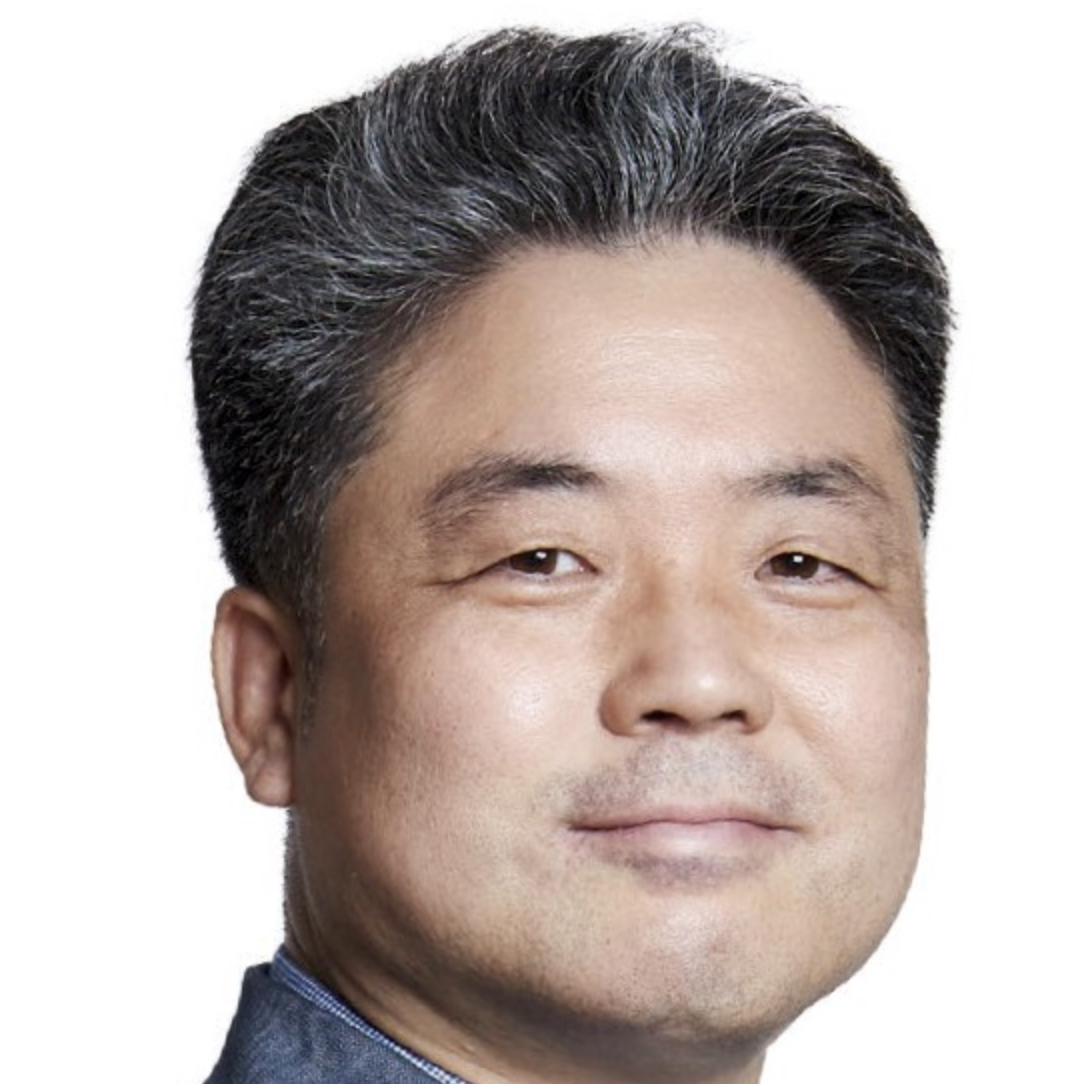
Minsu Jang

Dr. Minsu Jang

Co-Chair ETRI, South Korea

Principal Researcher at ETRI and Professor at UST. Specializes in adaptive and open-world intelligence for social and service robots.

Ho Seok Ahn

Prof. Ho Seok Ahn

Co-Chair University of Auckland, New Zealand

Senior Lecturer at University of Auckland. Research interests include social robots, cultural robots, HRI, affective computing, and healthcare robots. Chair of IEEE NZ Robotics and Automation Chapter.

SK

Prof. SunKyoung Kim

Co-Chair University of Tsukuba, Japan

Assistant Professor at University of Tsukuba. Research focuses on cognitive and affective factors of HRI through human-centered design and behavioral analysis.

BK

Prof. Boyoung Kim

Co-Chair George Mason University Korea

Research Professor at Center for Security Policy Studies–Korea. Studies how social robots can promote moral behavior and inform trustworthy AI policies.

YL

Dr. Yoon Kyung Lee

Co-Chair Seoul National University, South Korea

Researcher at Visual Arts Institute, SNU. Ph.D. in Cognitive Psychology. Research focuses on empathic AI, human-agent interaction, and alignment with human values using LLMs.

Supported By

KROS Logo
Korea Robotics Society (KROS) Technical Sponsor of RO-MAN 2026

This special session is organized by the Special Interest Group on Social Robots of KROS, which has been organizing special sessions and workshops at RO-MAN and other major conferences for over a decade.

Submit Your Paper

Authors should prepare their papers based on the IEEE template. All papers must be written in English and submitted electronically in A4 PDF format.

RO-MAN 2026 Submission